दान्यम्DAANYAM
Festival Seva · 2027

Ugadi / Gudi Padwa

उगादि / गुड़ी पड़वा

Wednesday, 7 April 2027133 days away

“Hindu New Year — a day to begin anew with blessings”

Ugadi / Gudi Padwa 2027 is on Wednesday, 7 April 2027. Hindu New Year — a day to begin anew with blessings

See prescribed seva below →

Free tools

Ugadi / Gudi Padwa — when is it where you are?

This festival follows the Hindu Tithi (lunar day), calculated from local sunrise. A festival can fall on a different calendar date depending on where you are. Below are calendar dates in major diaspora markets.

Your local time
Wednesday, 7 April 2027
America/New_York
  • USA (Eastern)7 Apr 2027
  • USA (Pacific)7 Apr 2027
  • UK (London)7 Apr 2027
  • Canada (Toronto)7 Apr 2027
  • UAE (Dubai)7 Apr 2027
  • Singapore7 Apr 2027
  • Australia (Sydney)7 Apr 2027
  • India (IST)7 Apr 2027

IST anchor: 2027-04-07T00:00:00+05:30

Overview

Ugadi / Gudi Padwa 2027 is on Wednesday, 7 April 2027. Hindu New Year — a day to begin anew with blessings

When is Ugadi / Gudi Padwa 2027?

Ugadi / Gudi Padwa 2027 is on 7 April 2027 (India Standard Time). Check the local-time section below if you observe from the USA, UK, Canada, Australia, UAE, or Singapore.

When & Why

Date (2027)
7 April 2027
Lunar month
Per Hindu lunar calendar
Tithi
Festival tithi — confirm with local Panchang
Why Ugadi / Gudi Padwa matters
Ugadi (also known as Gudi Padwa in Maharashtra) marks the first day of the Hindu lunisolar calendar — the beginning of Chaitra Shukla Paksha. The name Ugadi derives from the Sanskrit Yugadi, meaning "the beginning of a new age." According to the Brahma Purana, Lord Brahma began the creation of the universe on this day,

The story behind Ugadi / Gudi Padwa

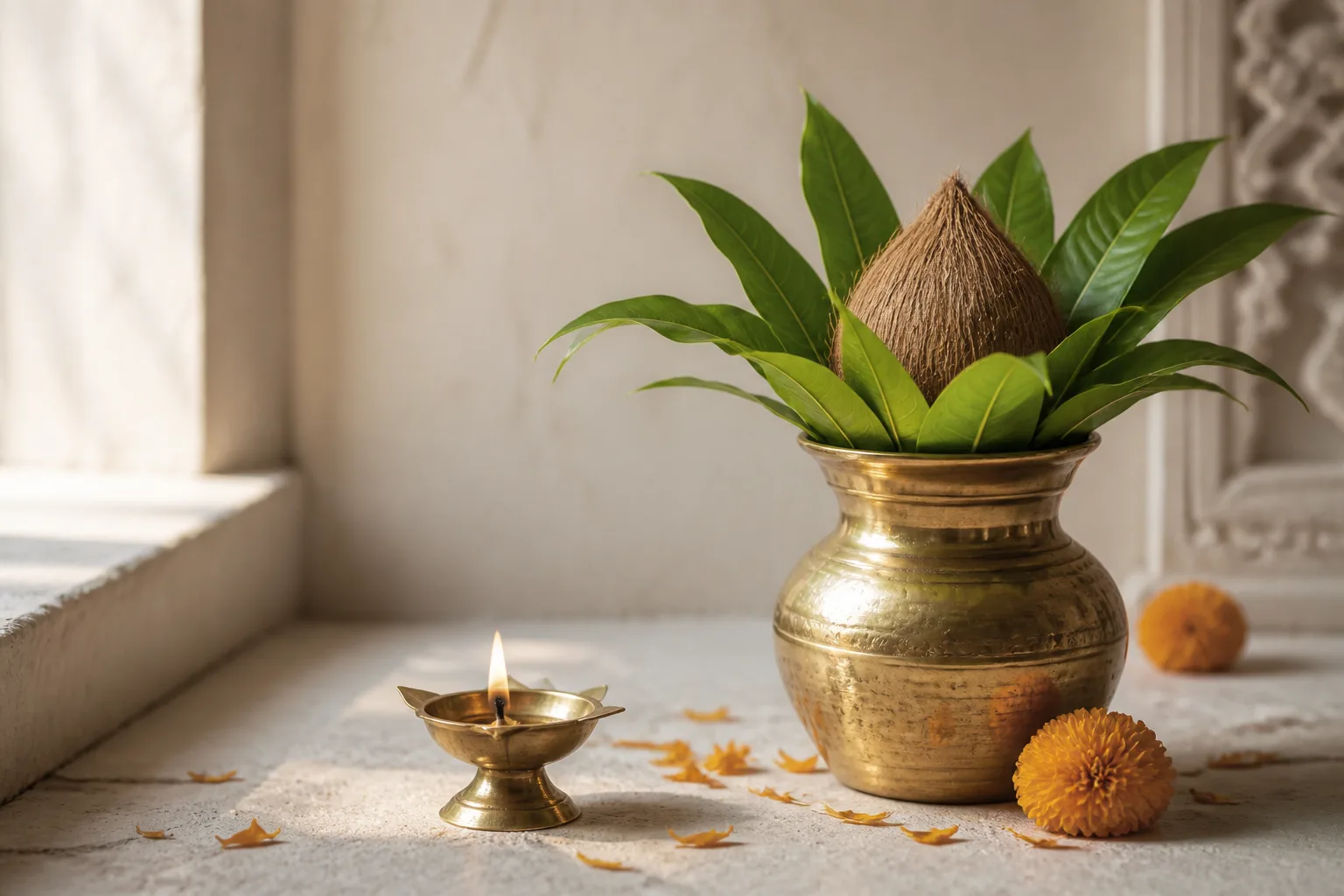
On this day, homes are cleaned and decorated with mango leaves and rangoli. Families prepare and share pachadi — a mix of six tastes (sweet, sour, bitter, salty, pungent, and astringent) symbolising t…

On this day, homes are cleaned and decorated with mango leaves and rangoli. Families prepare and share pachadi — a mix of six tastes (sweet, sour, bitter, salty, pungent, and astringent) symbolising the full range of experiences life brings in the year ahead. The day begins with an oil bath, new clothes, and prayers offered to ancestors and deities.

Gau Seva performed on Ugadi carries particular merit. The cow — Gaumata — is considered a symbol of abundance, prosperity, and the blessings of a new year. Offering roti, jaggery, or full bhojan to cows on the first day of the Hindu new year is believed to attract auspicious energies for the months ahead and invite the grace of Lakshmi into the household.

Ugadi / Gudi Padwa: in depth

How is Ugadi celebrated in Andhra Pradesh, Telangana and Karnataka?

In the Telugu and Kannada homes the morning follows a similar pattern — oil bath, new clothes, mango-leaf torans and muggulu (rangoli) at the doorstep. Instead of a Gudi, the focus is on the family puja, a visit to the temple, and two distinctive traditions: the pachadi and the Panchanga Shravanam.

What goes into Ugadi pachadi, and why six tastes?

Ugadi pachadi is a small, uncooked mixture eaten first thing after the puja. Each ingredient stands for a kind of experience the year may bring:

IngredientTasteWhat it represents
Neem flowersBitterHardship and sorrow
JaggerySweetHappiness and success
TamarindSourChallenges that test us
Raw mangoTangySurprise and new turns
SaltSaltyInterest and zest for life
Green chilli or pepperSpicyAnger, heat and intensity

In Karnataka the simpler bevu-bella — neem and jaggery — carries the same message. The point is not that the year will be bitter or sweet, but that a steady mind can hold both.

What is Panchanga Shravanam?

On Ugadi afternoon, a priest or an elder reads aloud from the new Panchang: the name of the new year in the sixty-year cycle, the planets that rule it, and the forecast for rain, crops and public life. Many temples hold a public reading, and families often listen to their own rashi's outlook for the year.

Who rules the new samvat in 2027?

Each samvat is assigned a "cabinet" of planets — the Mantri Mandala — based on the weekdays on which key astronomical events fall. Drik Panchang lists the following for the year beginning April 7, 2027:

RolePlanetTraditional reading (summary)
Raja (King)Budha (Mercury)Prosperity, good rainfall, many marriages and festivals
Mantri (Minister)Budha (Mercury)Abundant milk, wheat and sugarcane; plentiful rain
Senadhipati (Commander)Mangal (Mars)Friction in trade; caution in commerce
Sasyadhipati (Lord of crops)Shukra (Venus)Grains ripen well; trees in bloom
Dhanyadhipati (Lord of grains)Guru (Jupiter)Cattle yield well; abundant grain
Dhanadhipati (Lord of wealth)Shukra (Venus)Trade succeeds; prosperity spreads
Meghadhipati (Lord of clouds)Mangal (Mars)Strong winds; risk of dry spells
Rasadhipati (Lord of juices)Surya (Sun)Prices of oil, cotton and jaggery may rise

With Mercury holding both the king's and minister's seats, the traditional reading is favourable for trade, learning, communication and family celebrations. Treat these as the classical almanac's collective outlook for society — not a personal prediction. Your own year depends on your birth chart and the dashas you are running.

How Ugadi / Gudi Padwa is observed

Traditional steps — confirm details with your family priest or sampradaya.

  1. Prepare for the vrat or puja

    Rise early, bathe, and set your sankalp for Ugadi / Gudi Padwa. Ugadi (also known as Gudi Padwa in Maharashtra) marks the first day of the Hindu lunisolar calendar — the beginning of Chaitra Shukla Paksha. The name Ugadi derives from the Sanskrit Yugadi, meaning "

  2. Perform the main puja or observance

    On this day, homes are cleaned and decorated with mango leaves and rangoli. Families prepare and share pachadi — a mix of six tastes (sweet, sour, bitter, salty, pungent, and astringent) symbolising the full range of experiences life brings in the year ahead. The day begins with

  3. Offer daan or seva

    Gau Seva performed on Ugadi carries particular merit. The cow — Gaumata — is considered a symbol of abundance, prosperity, and the blessings of a new year. Offering roti, jaggery, or full bhojan to cows on the first day of the Hindu new year is believed to attract auspicious ener

  4. Break the fast or close the observance

    Complete the vrat at the prescribed time — often after sunset, moonrise, or the next morning per your sampradaya.

Muhurat for Mumbai

2027-04-07 · प्रतिपदा · भरणी

Sunrise–sunset times, Brahma Muhurat, Abhijit, Rahu Kaal, and Pradosh kaal below use your selected location for Ugadi / Gudi Padwa. Change city to match where you will observe the festival.

Sunrise & sunset
6:29 AM – 6:54 PM
Pradosh kaal (approx.)
5:24 PM – 8:24 PM
Brahma Muhurat
4:53 AM – 5:41 AM
Abhijit Muhurat
Not available (Wednesday)
Rahu Kaal
12:41 PM – 2:14 PM
Show calculation notes

Panchang uses Lahiri ayanamsa with Swiss Ephemeris–based lunar/solar positions (same engine as the Daanyam daily panchang). Tithi shown is for the civil date in India (IST). Brahma Muhurat is derived from local sunrise; Rahu Kaal divides the daytime into eight parts by weekday rule.

Coordinates used: 19.0760°N, 72.8777°E. Yoga: Saubhagya; Karana: Kimstughna.

Quick city:

Full day view: Today's panchang on daanyam.in.

Regional names

RegionNameNote
Pan-IndiaUgadi / Gudi PadwaRegional names and timings may vary

Observing from abroad

Observing from outside India? Ugadi / Gudi Padwa follows the Hindu tithi, so your local date may differ from IST. Compare diaspora city times above and confirm with today's Panchang for your location.

Read the diaspora festival guide →

Do & Don't

Do

  • Check Panchang for your city's sunrise and tithi end time
  • Set a clear sankalp before beginning puja or vrat
  • Share festival dates with family abroad using the share button

Don't

  • Do not begin auspicious work during Rahu Kaal if your tradition avoids it
  • Do not break a nirjala fast without proper parana timing
ॐ
Prescribed observance

Vishnu seva on Ugadi / Gudi Padwa

Temple seva on this festival day carries the merit of traditional observance when performed in your name.

Archana at a verified mandir on the festival date, with sankalp and photo confirmation.

Performed on 7 April 2027 · sankalp in your name and gotra · photo confirmation after seva

$17.00

How Daanyam computes this

Daanyam computes Ugadi / Gudi Padwa festival guide with Swiss Ephemeris (professional-grade ephemeris), Lahiri ayanāṃśa, and whole-sign houses where applicable — serving 10,000+ charts daily with ~95% agreement vs classical table checks in our audits. Classical framing draws on Brihat Parashara Hora Shastra, Phaladeepika, Jataka Parijata. See how we compute →

Frequently asked questions

  • Ugadi / Gudi Padwa 2027 falls on 7 April 2027 (IST). If you observe from the USA, UK, Canada, Australia, UAE, or Singapore, your local civil date may differ by one day depending on sunrise and tithi end time.

Explore further

ॐ

Other Auspicious Days for Seva