The story behind Ganga Dussehra
The name Dussehra means "ten" (dasha) and "destroyer" (hara) — the day is said to destroy ten specific sins (dasha-paap): three sins of body (theft, harm, illicit relations), four of speech (lies, har…
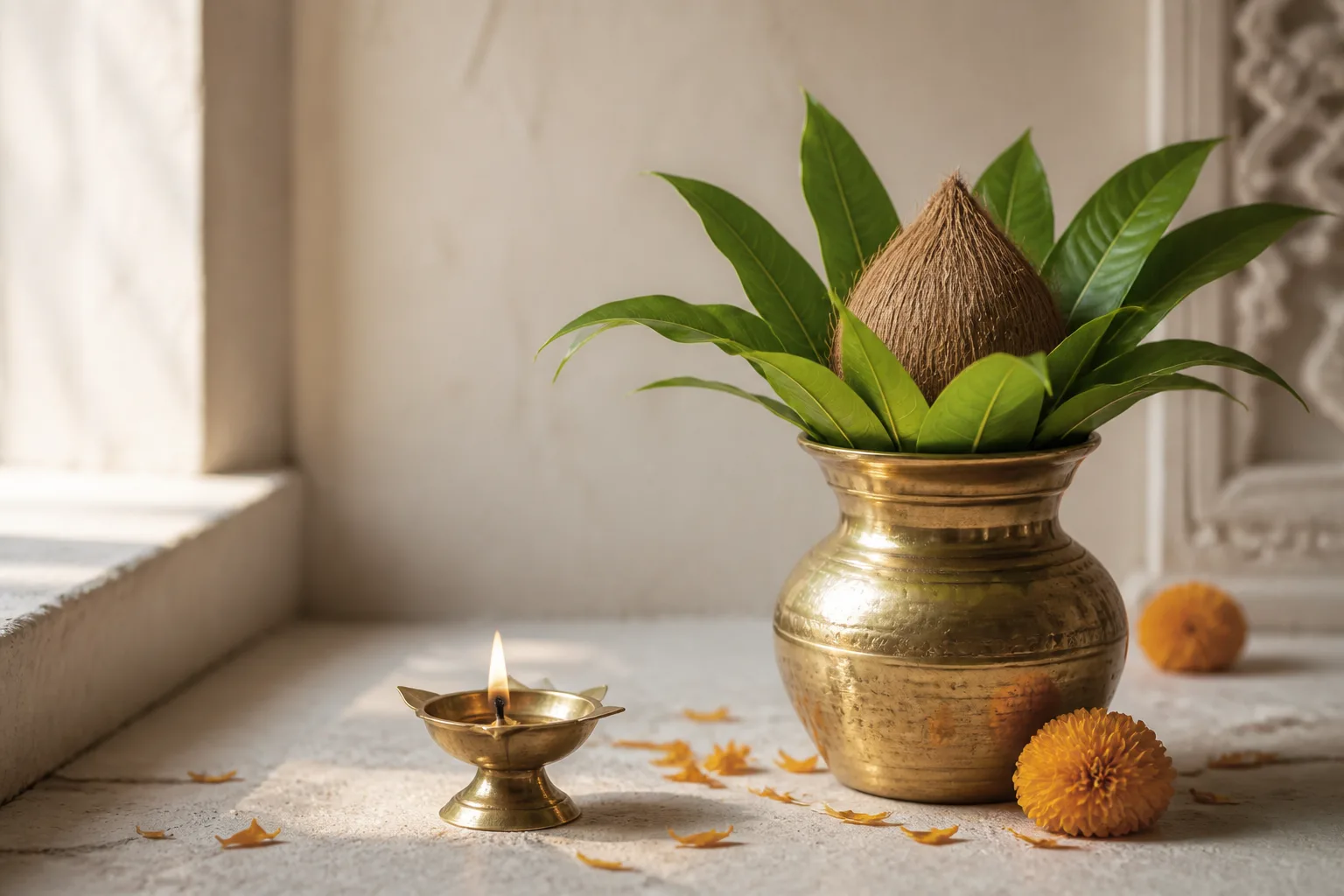
The name Dussehra means "ten" (dasha) and "destroyer" (hara) — the day is said to destroy ten specific sins (dasha-paap): three sins of body (theft, harm, illicit relations), four of speech (lies, harsh words, slander, idle talk), and three of mind (greed, ill will, false views). Devotees rise before dawn, perform sankalp, bathe in the Ganga (or any river — at home, water with Ganga jal mixed in), light ten lamps, and offer ten flowers, ten betel leaves, ten fruits, and ten sweets to the Ganga. Daan in tens is especially auspicious. Mantras of Ganga (Gange cha Yamune chaiva...) are recited; many also read the Ganga Stotra of Adi Shankaracharya.
Gau Seva on Ganga Dussehra is one of the most meritorious daans of the day. The Padma Purana specifically recommends offering food to ten cows on Ganga Dussehra in honour of the ten sins the river dissolves. For those unable to offer to ten, even a single Gau Seva on this day — green fodder, jaggery, or full bhojan — is said to carry the merit of bathing in the Ganga itself.